End-to-End Railcar Visibility
Track railcars from shipment waybill through in-transit movement, interchange, bad-order events, and final destination from one centralized platform.


Premier visibility for railcar tracking & management

Trusted 3PL expertise for finished vehicle logistics

End-to-end visibility for finished vehicle shippers

Turnkey solution to manage your yard operations

Optimize or design your transportation network with ease

Streamline your load for maximum efficiency

Even more custom service solutions to support all your logistics needs

Discover end-to-end visibility for your rail operations like never before

Streamline your finished vehicle logistics processes with the experts

Simplify your yard management operations and unlock new visibility
Add Finished Vehicle Logistics Expertise Without Adding Complexity
Smarter Load Planning for Finished Vehicle Carriers

We're proud to be a leader in product visibility and invoice auditing solutions throughout the logistics supply chain. Learn more.

Looking to join our team of award winning experts? Check out our open positions now.

We want to hear from you! Get in touch with us today.

For the fine print on our privacy policy, cookies and data, & more.

See how we keep your data safe with certified security practices, secure systems, and constant monitoring.
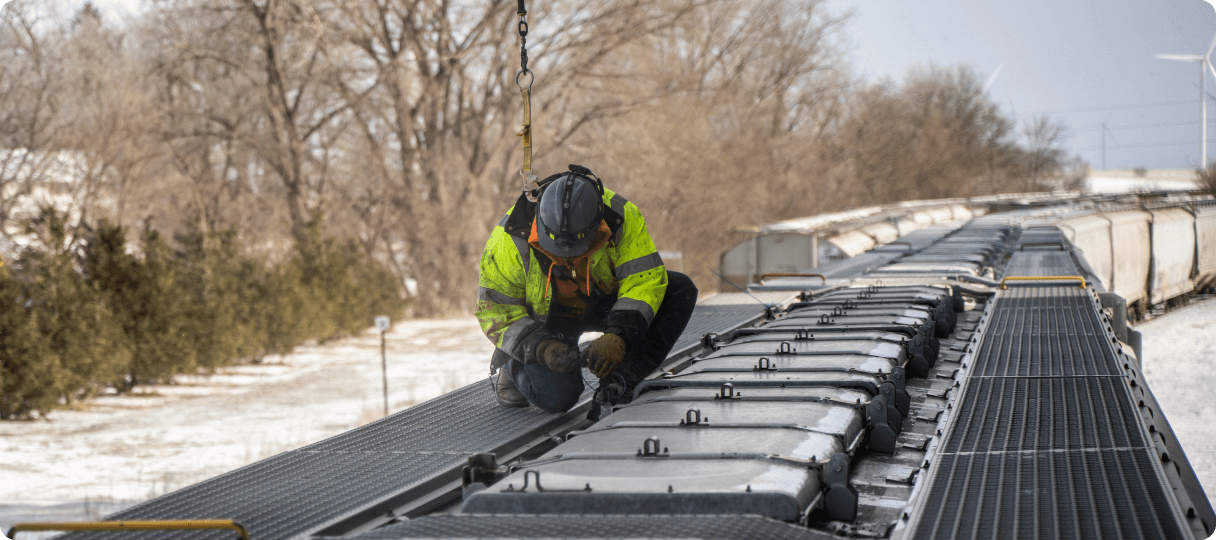
Rail shipping involves multiple railroads, interchange points, changing transit conditions, railcar leasing and purchasing decisions, equipment availability, and costly dwell. Managing that complexity with disconnected railroad portals, spreadsheets, and manual reporting makes it difficult to see the full picture.
ICL’s Rail Shipment Visibility Portal (RSVP) centralizes rail shipment data in one cloud-based platform, giving your team end-to-end visibility across the rail network.
With dynamic ETAs, automated alerts, scheduled reports, and transit-time analytics, RSVP helps rail logistics teams spend less time tracking down information and more time improving shipment and fleet performance.
Give your team the visibility and analytics needed to manage rail shipments, improve railcar utilization, and act faster when the network does not go according to plan.
Track railcars from shipment waybill through in-transit movement, interchange, bad-order events, and final destination from one centralized platform.
Monitor continuously updated ETAs and identify dwell, bad orders, transit delays, and other exceptions that require attention.
Analyze cycle time, route performance, dwell trends, and railcar utilization to support fleet-sizing, leasing, and equipment decisions.
Create, save, schedule, and share shipment and pipeline reports so operations teams, customers, and stakeholders can access the information they need without repeated manual updates.

Right-Sized Rail Fleet
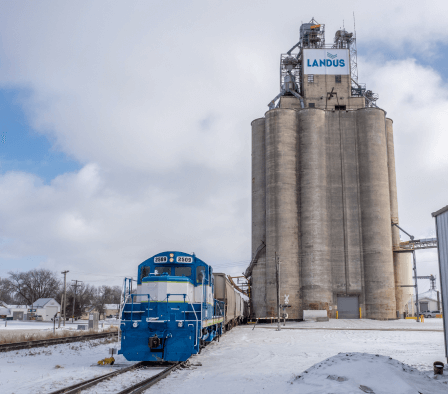
Landus used RSVP visibility and reporting to right-size its leased rail fleet and reduce unnecessary equipment costs.
Improved Freight Economics
Improved rail visibility supported transloading between rail lines, helping Landus pursue lower freight rates.
Fewer Manual Inquiries
Direct access to RSVP data reduced daily inquiries to the rail logistics team, freeing staff to focus on higher-value operational work.